

Reading for pleasure and public libraries

Why reading for pleasure matters
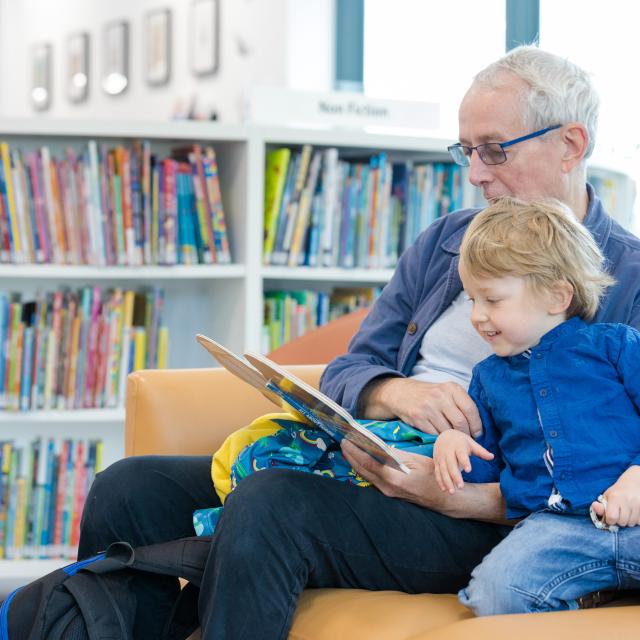
Reading for pleasure enriches people's lives. It helps people learn, connect and feel part of the world around them. Children who enjoy reading are more likely to do well at school and continue learning throughout their lives. Reading can also support wellbeing, build confidence and help people understand different perspectives.
Reading is a source of enjoyment, relaxation and personal reward. It offers time to think, imagine and focus in ways that are increasingly hard to find in everyday life. It brings new ideas, deepens understanding and allows people to experience other lives, cultures and viewpoints.
Public libraries play a vital role in this. They lend tens of millions of books every year for free and help people rediscover the joy of reading by building confidence, encouraging them to explore new authors and genres, and creating shared reading experiences. Libraries also offer trusted advice and recommendations, run events, talks and workshops, and work with authors and publishers to promote and celebrate reading as a shared part of community life.
A changing picture
Reading for pleasure has declined substantially over the past decade. Although children’s reading enjoyment rose slightly in 2026, it remains well below previous levels. Adults are also reading less regularly than they did a decade ago.
Time pressures, competing demands and the growth of digital media all make it harder for people to build reading into everyday life.
Reading for pleasure is different from reading for school or work. It depends on choice, enjoyment and personal interest. When people can find reading that reflects their lives and captures their curiosity, they are more likely to make time for it and keep reading.
The role of public libraries
Public libraries have an essential role in making reading for pleasure possible for everyone. They provide:
- Free, open access to books and reading in print, digital and audio formats
- Welcoming, inclusive spaces where people can spend time and explore
- Choice and discovery, helping people find books that interest them
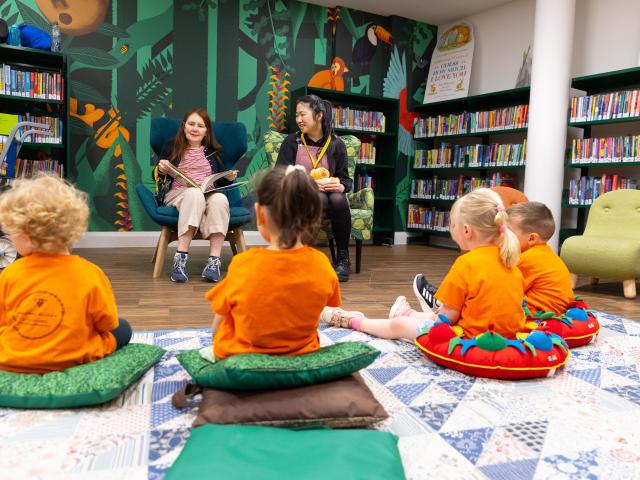
- Opportunities to share reading, from storytimes to reading groups
For many people, libraries are the only place to access books freely, without barriers. They support reading at every stage of life, from early years through to older age, and work alongside schools, families and communities to build a culture where reading is valued and visible.
The Reading Universal Library Offer
The Reading Universal Library Offer sets out a shared approach to reading across the public library network - one that:
- Champions choice and freedom - supporting all types of reading (books, comics, audio and more) without judgement
- Supports wellbeing and connection - using reading to help people relax, build confidence and connect with others
- Opens up opportunities - helping people discover new ideas, develop skills and explore the world
- Builds empathy and understanding - providing access to diverse stories, authors and perspectives
What works
Public library staff are experts in reading for pleasure and already know a great deal about what helps people to start reading, read more and discover new kinds of reading.
- Putting choice first. People are more likely to read when they can choose what they want, without judgement, across a wide range of formats and genres.
- Making reading visible and social. Shared activities such as reading groups, storytimes and challenges help make reading part of everyday life and build confidence.
- Creating welcoming, low-pressure environments. Spaces where people feel comfortable to browse, try new things and read for enjoyment support long-term engagement.
- Offering a wide and relevant range of books. Up-to-date, diverse collections help people find reading that reflects their lives, interests and identities.
- Bringing reading to life through events and partnerships. Author talks, literary festivals, reading promotions and partnerships with publishers and cultural organisations create excitement around books and introduce people to new writers and ideas.
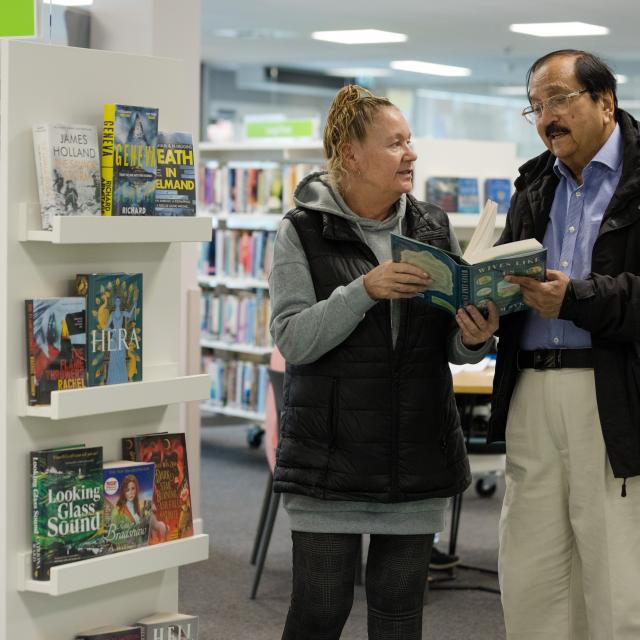
- Supporting discovery and recommendations. Displays, staff recommendations and curated lists help people find something new, especially when they are unsure where to start.
- Building habits over time. Regular activities, seasonal programmes and informal encouragement help people build reading into their routines.
- Reaching beyond library buildings. Outreach, partnerships and targeted work help engage people who may not otherwise see reading as something for them.
- Providing skilled staff support. Knowledgeable staff play a key role in encouraging reading, building relationships and helping people find the right materials.
What libraries need to go further
Public libraries already make a significant contribution to reading for pleasure. To reach their full potential, they need the right support.
- Specialist staff, such as children’s librarians and outreach workers, who can build relationships with families, support early reading and engage people beyond library buildings
- Opening hours that work for modern life, including evenings and weekends, so that families, children and working adults can take part
- Sustained investment in collections, programmes and partnerships, ensuring that reading remains visible, relevant and accessible
Libraries are most effective when they are embedded in communities, easy to access, and supported by staff with the time and expertise to engage people in reading.
Further reading and evidence
- Education Committee: Reading for Pleasure, July 2026. This report looks at why reading for pleasure matters, the decline in reading among children and young people, and the role public libraries can play in giving children and families access to books.
- National Literacy Trust: 2026 reading-engagement findings. This research provides the latest figures on children and young people’s enjoyment of reading and how often they read in their free time, as well as what encourages them to read.
- The Reading Agency: UK adult reading survey. This research looks at adults’ reading habits and some of the barriers that prevent people from reading more, including lack of time and the distraction of social media.
- Libraries Connected evidence to the Education Committee. This submission explains how public libraries support reading for pleasure, including through book lending, events, outreach and partnerships, and looks at the impact of opening hours and staffing.
- Cremin and Scholes: Scrutinising the evidence base, 2024. This research review examines the evidence around reading for pleasure, including its relationship with educational achievement, motivation, learning and wellbeing.
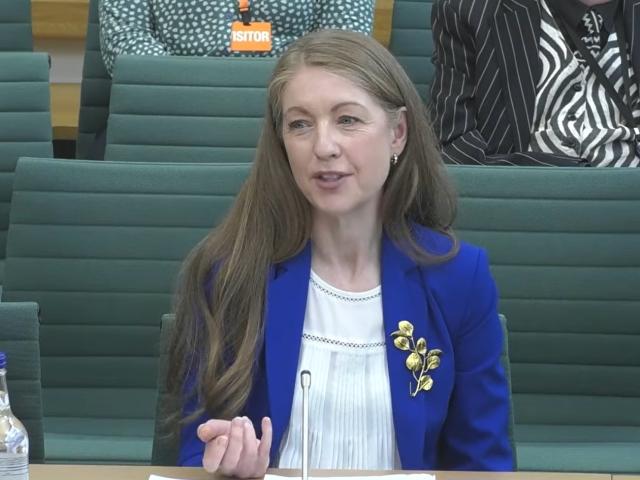
Isobel Hunter gives evidence to Education Committee on reading for pleasure
Universal Library Offers