


Digital, media and information literacy
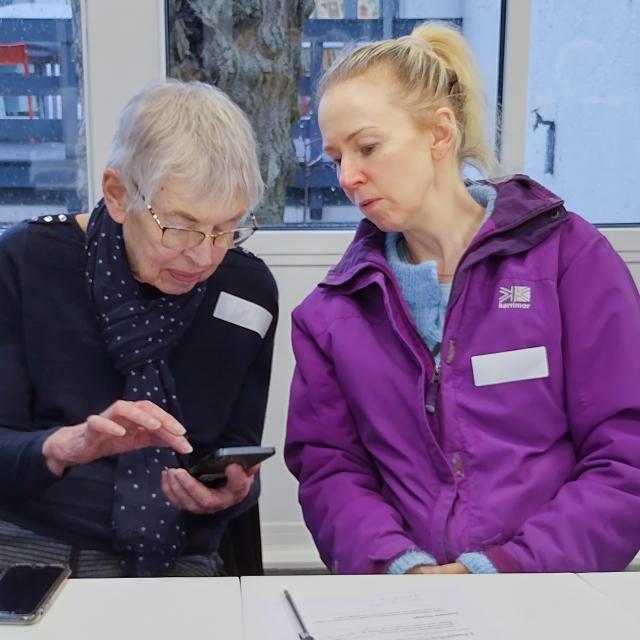


Public libraries: trusted spaces for navigating the information age
Librarians are trained information professionals, skilled in helping people locate, assess and interpret information from a wide range of sources. Today, that role extends to supporting people to understand online content, recognise misinformation and disinformation, navigate social media, and use new technologies such as AI confidently and safely.
Digital, media and information literacy helps people participate in civic life, access services, understand emerging technologies and make informed choices about what they encounter online. As more public services move online, and AI becomes part of everyday life, these skills are becoming essential for social inclusion, economic participation and democratic engagement.
Public libraries are especially effective in developing digital, media and information literacy because they combine four key strengths:
- Trust - libraries are among the most trusted public institutions, offering neutral, non-judgemental support
- Reach - with thousands of library locations across the country, most people have access to a local library
- Accessibility - libraries provide free access to computers, Wi-Fi, digital resources and skilled staff
- Relationships - libraries work closely with community groups, charities and other partners to reach people who need support
Public libraries are already helping millions of people develop their digital, media and information literacy. With sustained investment, strong partnerships and greater policy recognition, they can play an even larger role in helping people navigate the information age safely, confidently and critically.
What works in developing media, digital and information literacy in libraries?
Libraries have been supporting digital inclusion and information literacy for many years. Recent research and practical projects have identified several approaches that are particularly effective.
Embedding learning within everyday support
People rarely seek help because they want to improve their "media literacy" or feel "digitally excluded". More often, they are looking for assistance with a health query, an online form, a benefit application, a job search or concerns about online scams. The most successful programmes build confidence and skills by supporting people with these real-world scenarios.
Building on trust
Libraries are often working with people who have low digital confidence or who have experienced digital exclusion. A welcoming environment, trusted staff relationships and informal learning opportunities help participants feel comfortable asking questions, trying new technologies and discussing complex topics.
Working with partners
Partnerships with schools, charities, community organisations, health services and local groups help libraries reach wider audiences and tailor support to local needs. Co-designing activities with communities also improves participation and relevance.
Investing in staff
Library workers play a critical role in helping the public navigate a changing information landscape. Ongoing training and professional development are essential if staff are to support communities with issues such as misinformation, online safety, AI and emerging technologies.
Testing and adapting
Media literacy, digital literacy and AI literacy are rapidly evolving. Libraries benefit from taking a flexible, evidence-informed approach that tests different models, learns from experience and adapts services based on what communities find useful.
What Libraries Connected is doing
Libraries Connected has played a leading role in supporting public libraries to develop media, digital and information literacy skills within their communities.
Developing workforce skills
In 2022, Libraries Connected launched an Information and media literacy elearning module for library staff. Designed to build knowledge and confidence, the course supports library workers to help users find reliable information, stay safe online and engage critically with digital content. More than 1,700 library workers have completed the training.
Innovating in Trusted Spaces
In 2025–26, Libraries Connected led Innovating in Trusted Spaces: Libraries Advancing the Digital Inclusion Action Plan, a national partnership project delivered with Good Things Foundation and WSA Community.
The project explored how libraries can support communities to develop digital confidence, AI literacy and digital media literacy. Working with four library services across England, it tested different approaches with older people, disabled people, low-income families and other groups at risk of digital exclusion.
The project produced:
- A practical good practice guide for library services.
- Tools and resources for frontline staff.
- New evidence about effective approaches to AI and digital media literacy.
- A national community of practice to share learning and innovation.
- Recommendations for the future development of library-based digital inclusion and media literacy work.
Influencing policy and practice
Libraries Connected has consistently championed the role of libraries in digital, media and information literacy through advocacy, research and partnership working. We have provided evidence to government inquiries, contributed to national policy discussions and worked with organisations across the media, digital and information sectors.
We continue to bring together library services, policymakers, researchers and delivery partners to strengthen evidence, share learning and develop coordinated approaches that can reach communities at scale.
What’s needed?
Recognise libraries as key delivery partners
Public libraries should be recognised as core infrastructure for delivering media, digital and information literacy support. Their trusted position within communities, national reach and experience of supporting digital inclusion make them natural partners in achieving national policy goals.
Invest in workforce development
Library workers need access to high-quality, ongoing training in media literacy, information literacy, AI and digital technologies. Investment in professional development will ensure the workforce can continue to respond to a changing information environment.
Provide sustainable funding
Many successful media literacy initiatives are funded through short-term projects. Long-term investment is needed to enable libraries to build capacity, retain expertise and develop sustainable programmes that can grow over time.
Invest in technology and infrastructure
Libraries require up-to-date technology, equipment and digital resources if they are to support communities effectively. Investment in infrastructure should sit alongside investment in staff and service delivery.
Strengthen collaboration and co-ordination
Media literacy, digital inclusion and information literacy are often addressed through separate programmes and funding streams. Greater coordination across government departments, regulators, educational institutions and community organisations would help create a more coherent national approach.
Build the evidence base
Continued investment in research, evaluation and knowledge sharing is needed to understand what works and ensure successful approaches can be scaled across the country.
Further reading and evidence
- UK Government: A Safe, Informed Digital Nation. This action plan explains why media literacy matters in everyday life, from recognising misleading information and understanding AI to staying safe online and making informed choices.
- House of Lords Communications and Digital Committee: Media literacy. This parliamentary report looks at the state of media literacy in the UK and what needs to improve. It highlights the importance of helping both adults and children develop these skills and recommends providing training and guidance through services including libraries.
- Good Things Foundation: Digital inclusion in England’s libraries. This research looks at how public libraries support people who are digitally excluded, including the importance of trusted support, partnerships and help with practical tasks such as accessing health, benefits and council services online.
- DCMS: How public libraries break down barriers to digital inclusion. This article gives practical examples of how libraries support digital inclusion, including free internet and Wi-Fi, digital skills sessions, one-to-one help and work with community organisations.
- Libraries Connected: Innovating in Trusted Spaces. This project explored how public libraries can help people build digital confidence and develop their understanding of AI and digital media. Four library services tested different approaches, with a particular focus on people at greater risk of digital exclusion.
- Innovating in Trusted Spaces: Learning Report. This report sets out what was learned from the project, including different approaches to teaching AI literacy, one-to-one and group learning, staff confidence and sharing learning between library services.
- Libraries Connected: Media and Information Literacy Module resources. These resources help library staff develop their knowledge of issues including misinformation, online safety, scams, privacy, finding reliable information and evaluating online sources.
Find out more
Innovating in Trusted Spaces: Libraries Advancing the Digital Inclusion Action Plan

Lords media literacy report recognises crucial role of libraries